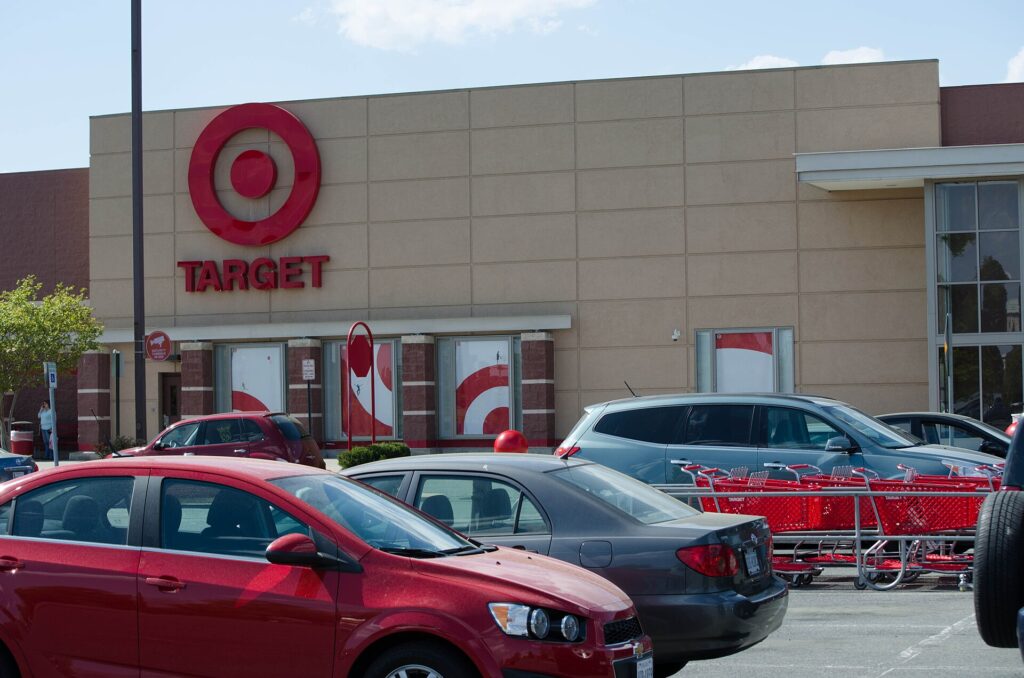
Photo: m01229 / Wikimedia Commons (CC BY 2.0)
Target’s fight with shoppers over Pride merchandise blew up in May 2023, and its DEI programs came under fire again in 2025. Its fiscal 2025 annual report shows lower sales and fewer customer visits. Then an August 2026 earnings release showed a rebound. Shoppers clearly matter. The numbers don’t prove politics alone drove the results.
The Controversy That Put Target in the Middle
In May 2023, Target said it was changing aspects of its Pride assortment following confrontations in stores and threats to employees. The chain had promoted Pride-themed goods for years. The dispute concerned how prominently those products appeared, what some customers believed particular products signaled, and whether Target should bring cultural controversies into routine shopping.
Conservative critics urged consumers to shop elsewhere. Some supporters of the Pride campaign, meanwhile, criticized the chain for removing or relocating merchandise under pressure. Target was trying to satisfy groups whose expectations were difficult to reconcile.
The company’s statement did not claim that the entire collection was withdrawn. Target said its priority was employee safety. Descriptions that the company immediately ended Pride marketing entirely are therefore inaccurate.
Target’s August 2023 earnings report showed second-quarter comparable sales falling 5.4%. On its August 16 earnings call, executives referred to negative guest reactions to the Pride assortment while also discussing inflation, inventory and soft discretionary spending. Neither the release nor the call isolated a dollar figure attributable solely to a boycott.
The Sales Numbers Across the Years
Target’s annual filings make it possible to track the years without treating every decline as evidence of the same cause. Its fiscal 2024 report showed net sales of $106.6 billion in 2024 compared with $107.4 billion in fiscal 2023. The company noted that fiscal 2023 contained an extra week worth approximately $1.7 billion, complicating headline comparisons.
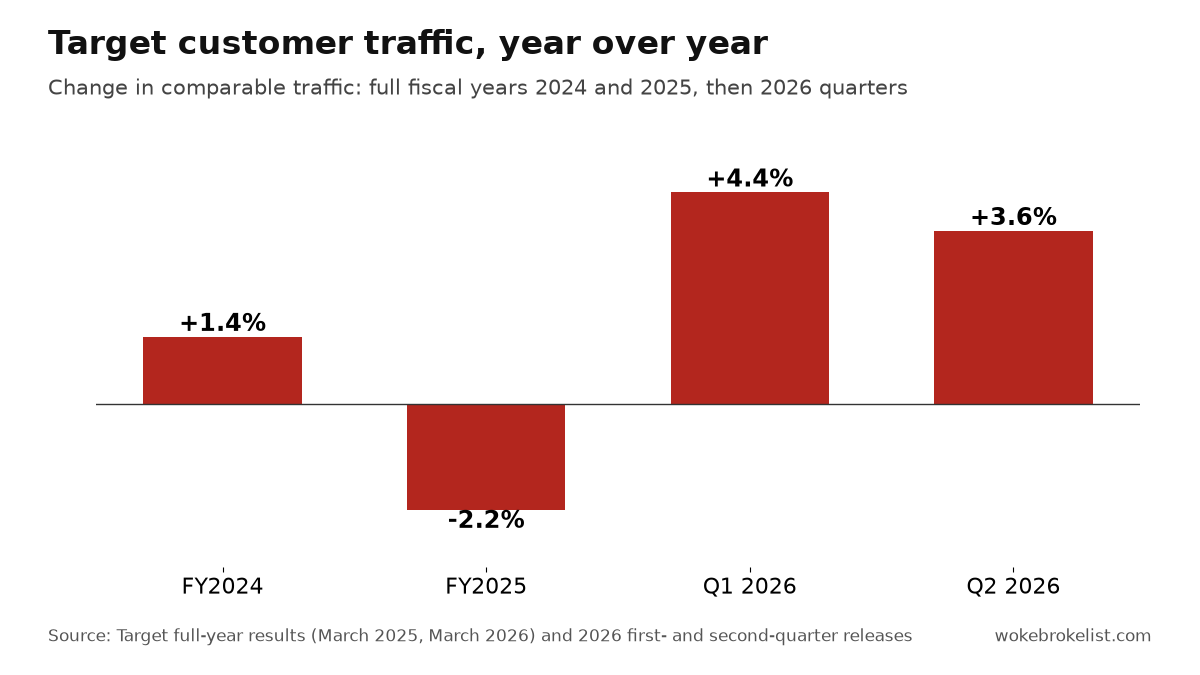
According to Target’s March 2025 full-year release, comparable sales grew 0.1% in 2024, with traffic up 1.4% and average transaction size down 1.3%. Traffic actually improved in 2024 even while the retailer continued to face criticism over its policies.
The following year was weaker. Target’s March 3, 2026, report showed fiscal 2025 net sales of $104.8 billion versus $106.6 billion in 2024. Comparable sales fell 2.6%; its annual report attributed that result to a 2.2% traffic decline and a 0.4% reduction in average transaction value. Net earnings fell from approximately $4.09 billion to $3.71 billion, according to the 2025 annual financial statements.
Those figures demonstrate real deterioration. They do not identify how much came from boycotting customers rather than competing on price, finding different products elsewhere or spending less generally. Target’s annual report itself cited cautious, value-focused consumers and unprecedented tariff volatility.
The DEI Rollback Was Specific, Not Total
In January 2025, Target announced changes to its Belonging at the Bullseye strategy. Its corporate fact sheet said it would conclude three-year diversity, equity and inclusion goals, wind down Racial Equity Action and Change initiatives as scheduled, discontinue external diversity surveys including the Human Rights Campaign’s Corporate Equality Index, and rename its Supplier Diversity team Supplier Engagement.
Target also said employee resource groups would remain available for mentoring and development. It did not say employees would lose protections against discrimination. Nor did it declare that every supplier initiative would end.
An easily overlooked qualification appeared in a later update to the fact sheet: Target said it fulfilled its commitment to invest $2 billion with Black-owned businesses in early 2026. That was a previously announced procurement goal, separate from stopping external rankings.
For critics of preferential programs, the revised policies signaled a retreat from goals that might encourage identity-based decisions. For supporters, the changes suggested the company was becoming less willing to advocate publicly for inclusion. Both camps continued to scrutinize what the company did, rather than department titles.
Read our full Target Woke Company Report.
What the 2026 Rebound Changes
The story did not end with fiscal 2025’s decline. Target reported on May 20, 2026, that first-quarter net sales had grown 6.7% year over year and comparable traffic rose 4.4%. Its August 19, 2026, second-quarter report showed net sales growth of 5.3%, comparable sales growth of 3.8% and comparable traffic growth of 3.6%.
Those material improvements should not be omitted from a current account of Target’s boycott years. The August release also disclosed a $994 million benefit to operating income from tariff refunds. That item makes profit comparisons less straightforward; customer traffic is more informative about store demand.
An article that stops with the 2025 decline presents an incomplete picture. Equally, the rebound does not prove the DEI policy rollback caused shoppers to return. Pricing, merchandise, promotions, competitors and general economic conditions all matter.
How Shoppers Read Target’s Policy Revisions
Some shoppers see Target’s policy revisions as evidence that boycotts and public complaints can influence a national retailer. Critics point to the timing of weaker traffic and want companies to concentrate on affordability and merchandise instead of social campaigns.
Supporters of Target’s original initiatives argue that serving a diverse customer base and maintaining an inclusive workplace are ordinary retail objectives. Target has continued to describe its approach in terms of making employees and shoppers feel welcome, while emphasizing growth and customer relevance.
The financial record supports a narrower conclusion than either side’s strongest claim. Target experienced mixed results during the controversy, weakened in fiscal 2025, and recorded renewed traffic growth in 2026. None of those comparisons is a controlled test isolating politics from every other factor.
The useful questions for consumers are concrete: Does the store stock desired products? Are prices competitive? Are written company policies acceptable? Does management address customer concerns? The answers can change over time and differ among shoppers.
Target Changed Some Things. Shoppers Get the Last Word.
Target cut specific DEI programs and kept other inclusion commitments. Its record includes a slump and a recovery. Shoppers can weigh those policies against price, selection and service, and decide whether Target earns their money.
Our Target Woke Company Report, linked above, has more on the retailer. Compare it with the rest of the Boycott List, then tell us in the comments where you shop now.